For a single-phase salt stream, the rate of heat transfer is Q̇ ≈ ṁ × cp × ΔT: how much salt flows each second (kg/s), times how much energy each kilogram takes to warm by one degree (kJ/kg·K), times how much its temperature changes (K). The result is power, in kW.
Energy stored or released by a quantity of salt is E ≈ m × cp × ΔT, in kJ or MJ. Power is a rate; energy is an amount. 3,600 kJ = 1 kWh.
Illustrative temperatures—not operating recommendations.
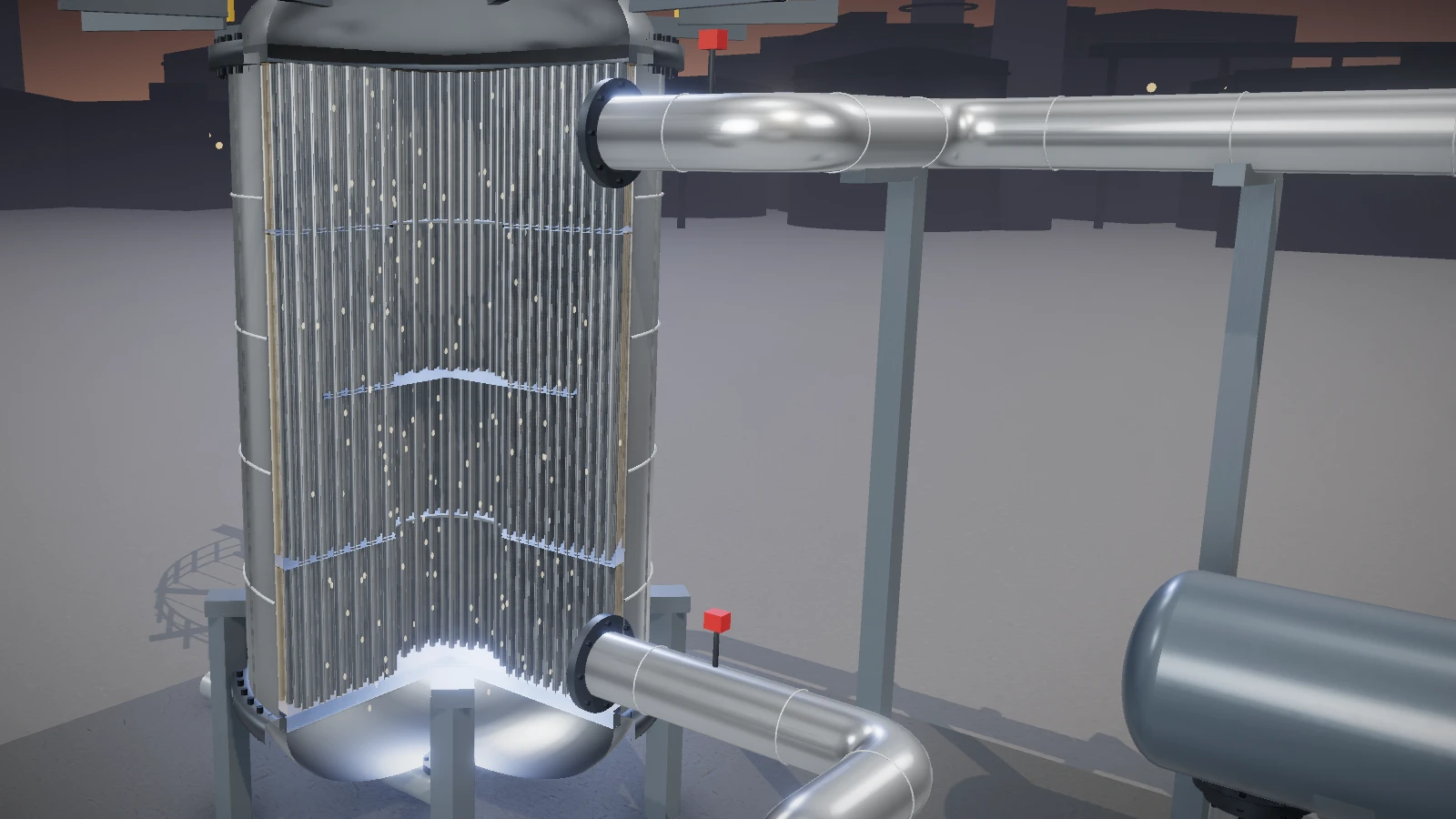
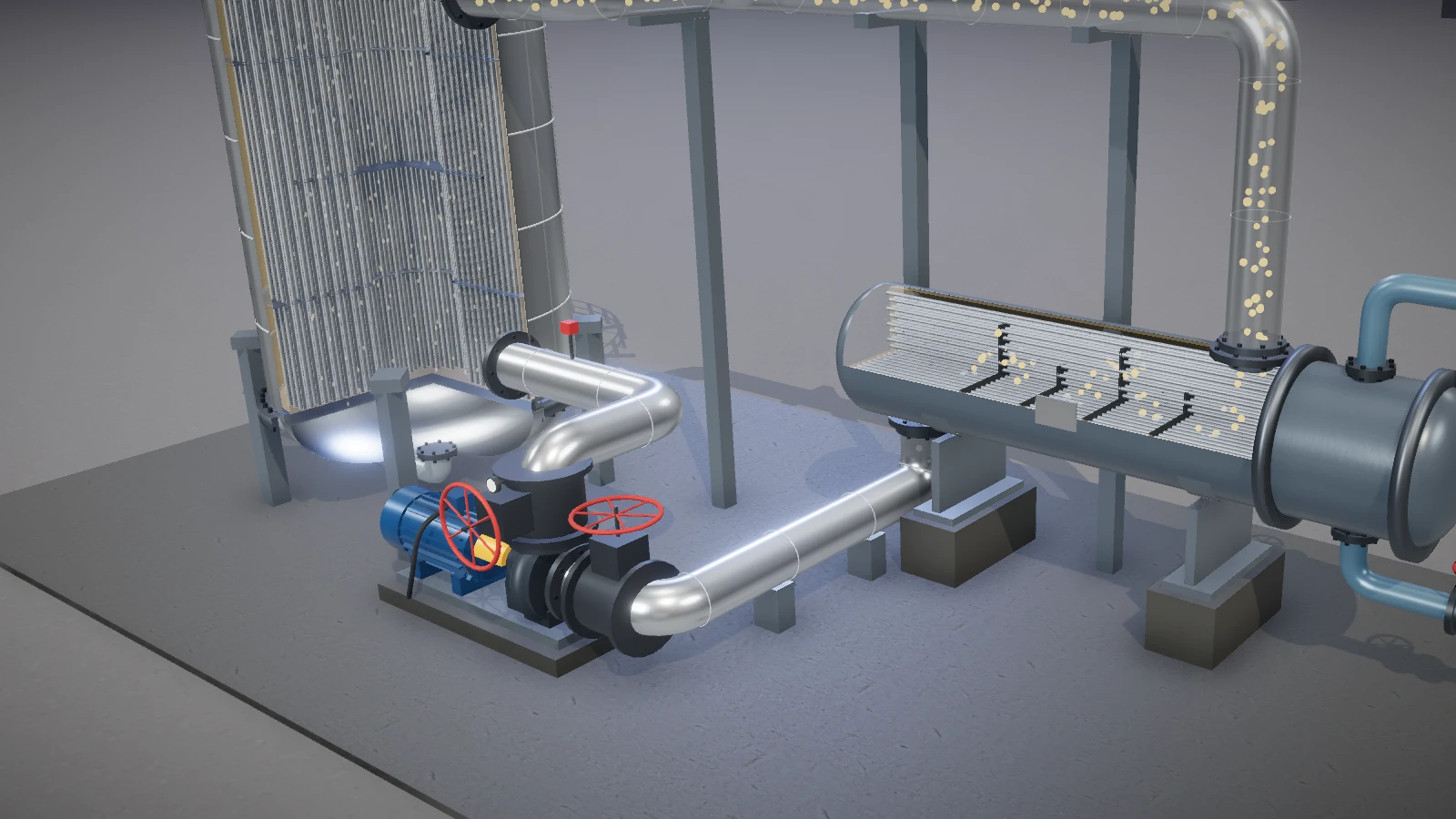
Salt enters the reactor shell at 330°C and leaves at 350°C (ΔT = 20 K). With an assumed cp of 1.5 kJ/kg·K and 10 kg/s of flow, Q̇ ≈ 10 × 1.5 × 20 = 300 kW. The external exchanger returns the salt to 330°C. At the same heat load, doubling the flow to 20 kg/s halves the temperature rise to about 10 K.
Cooling 20,000 kg of salt by 20 K releases E ≈ 20,000 × 1.5 × 20 = 600,000 kJ, about 167 kWh.
Assumes constant cp and negligible heat losses. Real properties vary with blend composition and temperature, so use data for your specific salt.